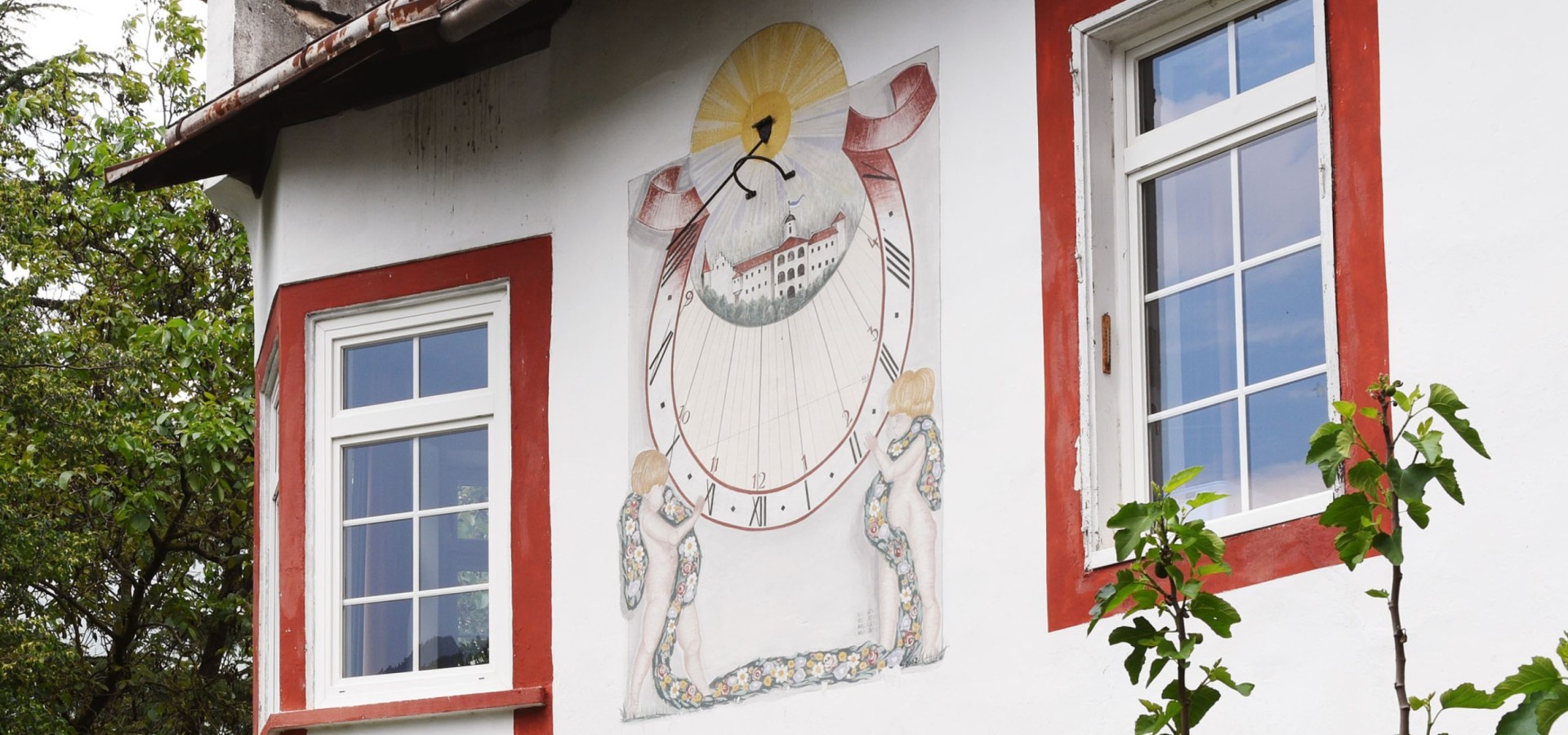
A noble estate from the 19th century

The history of the castle

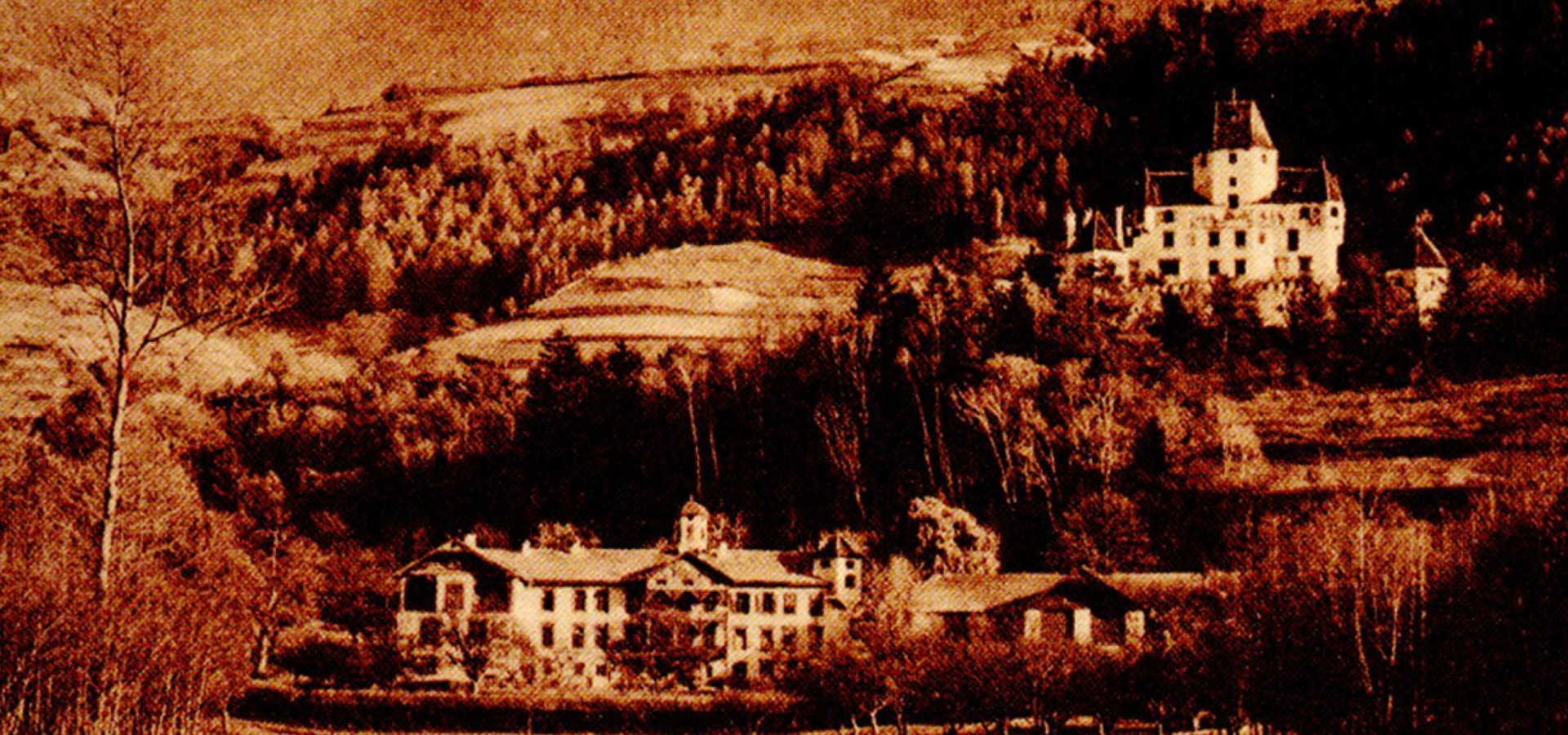
The architectural jewel and farm called ‘ Schloss Campan’ is located south of the episcopal town of Brixen , on the southern slope surrounded by trees in the wide valley floor of the Eisack Valley . Its history dates back to the 13th century , when...

The architectural jewel and farm called ‘Schloss Campan’ is located south of the episcopal town of Brixen, on the southern slope surrounded by trees in the wide valley floor of the Eisack Valley. Its history dates back to the 13th century, when it formed the large Maierhof of the Bishops of Brixen. The first mention of Campan dates back to around 1270, when it was mentioned as belonging to the Lords of Rodank.

Until 1803, Campan, together with the nearby Palaus Castle, was a fief of the Bishops of Brixen. Subsequently, both estates came into the hands of local farmers. The estate then passed successively to the Counts of Tyrol-Görz, the Lords of Cumpan and the noble Jöchl and Palaus families.

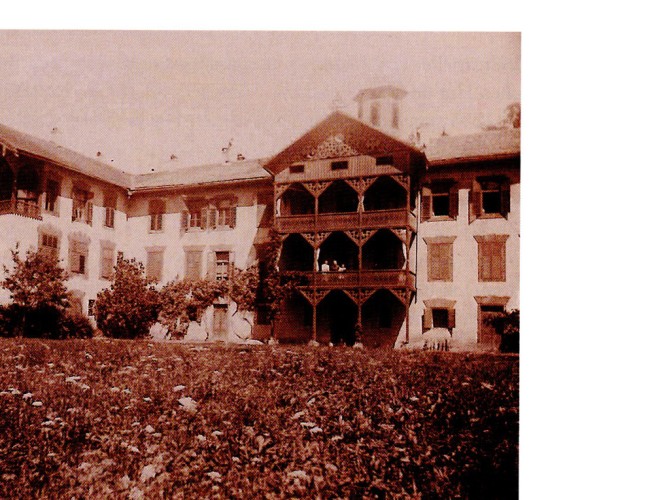
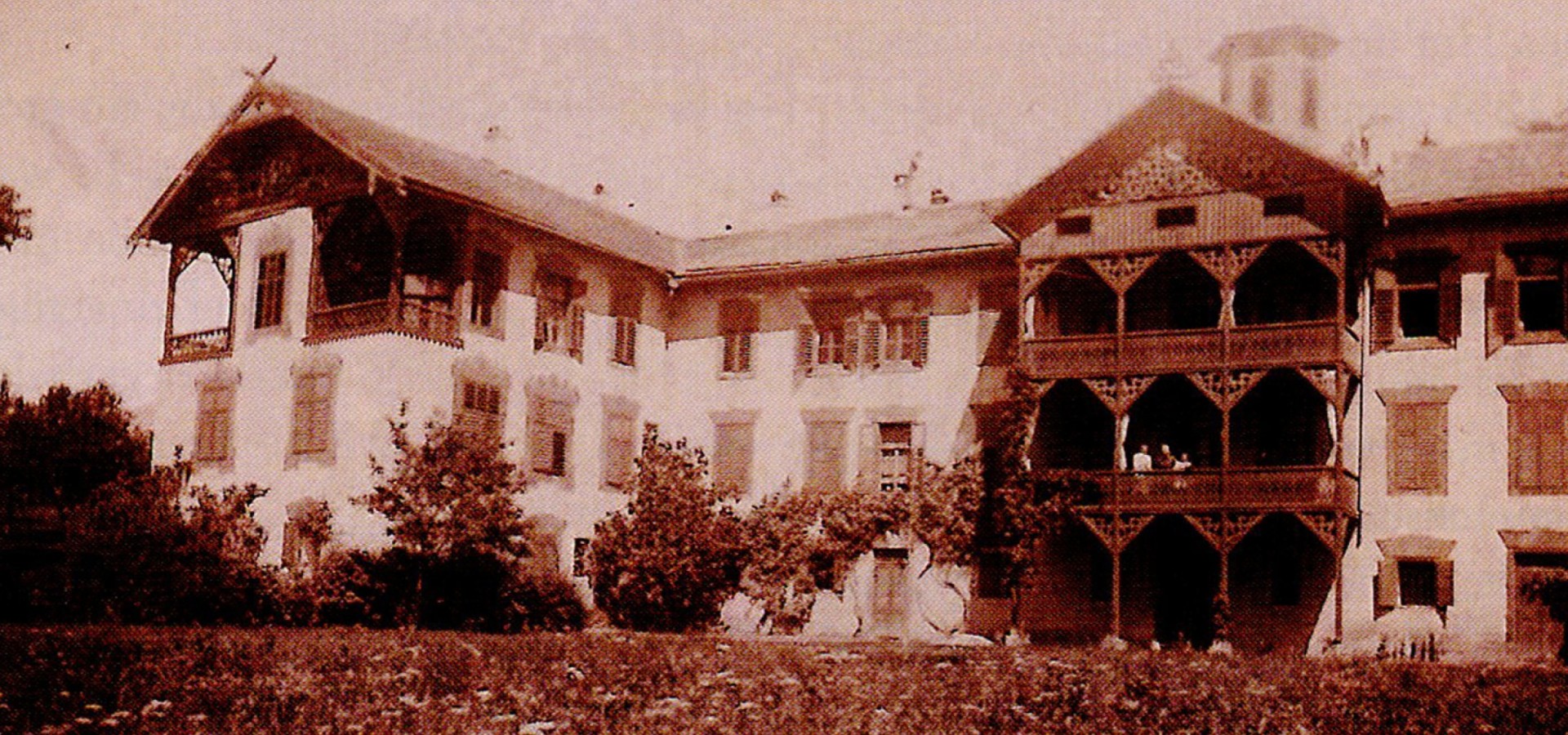
In 1860, Carl Baron Unterrichter acquired both castles. Since then, the Campan estate has served as the family residence. After a devastating fire destroyed the building in 1868, it was subsequently rebuilt in the style of the turn of the century. Today, the building is a protected monument.

You are welcome to delve deeper into the history of the estate during your stay. There is plenty of literature available on the subject.

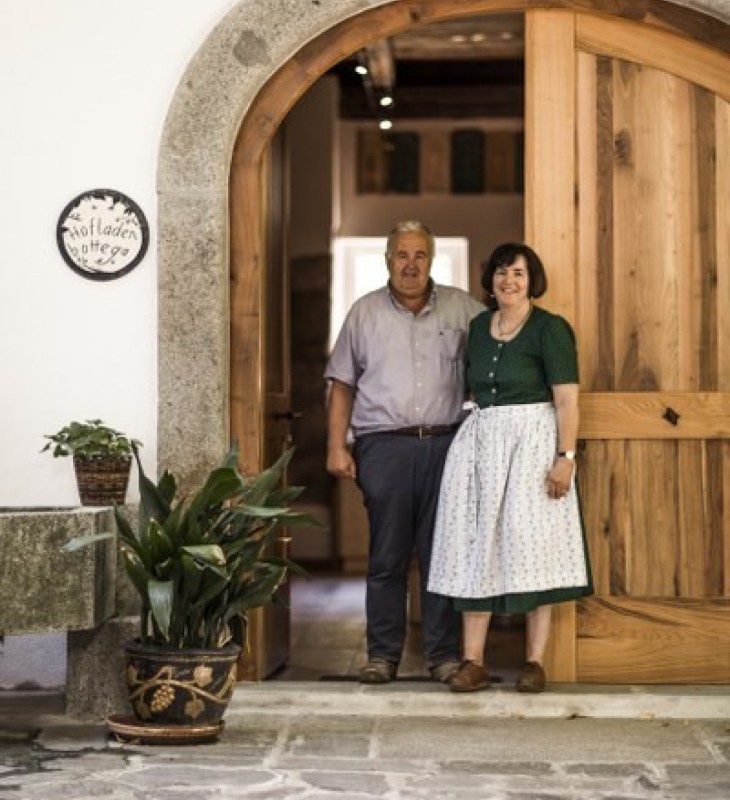
Today Campan Castle is in the hands of

Rita, Klemens and Christine Noemi

Campan Castle is now the work of 5 generations. Today, Rita, Klemens and Christine Noemi von Unterrichter (from right to left) welcome you to Campan Castle. Each owner has tried to guide this architectural speciality through turbulent times and has been successful in preserving it. And now they are continuing the legacy. Carl Baron von Unterrichter is the great-great-great-grandfather of the current owner Klemens and his sister Christine Noemi.

Apartments let for the first time

Rita and Rudolf

Living at Campan in this marvellous secluded location between the villages of Milland and Sarns is wonderful. In order to share their joy with others, Rita and Rudolf converted some holiday flats in 1994. For the first time, they welcomed holiday guests with the aim that they could also experience nature, the beauty of South Tyrol and the atmosphere of a castle. But not only that: It was very important to them that families would have enough space and all they needed for their stay – in the case of longer stays too.

Live like aristocracy on an organic farm: savour tasty produce and finally have enough space for the family!

A special farm

The history of the organic farm

Long before a noble estate and later addition of the spacious holiday apartments were built on Campan, there was only a farm on the site. The farm originally focussed on livestock farming and potato production. Over the decades, however, fruit, wine...

Long before a noble estate and later addition of the spacious holiday apartments were built on Campan, there was only a farm on the site. The farm originally focussed on livestock farming and potato production. Over the decades, however, fruit, wine and vegetable production came to the fore.

Today, we see it as our duty to preserve the natural environment and living spaces on the estate for future generations through sustainable fruit and wine growing. Our work should be an expression of our history, our family, our great love of fruit and wine growing and of nature.

From the year 1985

The big changeover

In the mid1980s, the farm switched from fattening bulls to growing fruit and vegetables. The von Unterrichter family decided in favour of an organic farm based on the firm conviction that agriculture should promote the sustainable use of nature and offer healthy and fresh food to the general public. The pests are furthermore controlled with the oil of the rivet tree (neem oil), a tried-and-tested old method. Fungal diseases we address with products based on copper and sulfur. The weeds under the trees are controlled with a weeder instead of herbicides.

Has a long trandition

Organic viticulture

Over 100 years ago above the castle there already had been vineyards on the slopes exposed to the sun, on the warm sandy soils, whose walls had collapsed over the decades and they were overgrown by trees. In recent years, the forest has been cleared bit by bit, the walls restored and the area terraced. We deliberately opted for the fungus-resistant organic varieties Souvignier Gris and Solaris.

The rich product range of our farm shop

  • eggs

  • honey

  • strawberry, cherry and apricot fruit spreads and jams

  • organic white wine

  • dried fruit

  • berries

  • organic apple juice

  • depending on the season
    also vegetables
    as well as potatoes

    and kitchen herbs
    from our own garden